
The content provided here is for educational and informational purposes only and should not be considered medical advice, diagnosis, or treatment. Every pregnancy and medical situation is unique. Please consult your OB-GYN or a qualified healthcare professional regarding any questions, concerns, symptoms, or decisions related to your health or pregnancy. Never disregard professional medical advice or delay seeking care because of something you have read here.
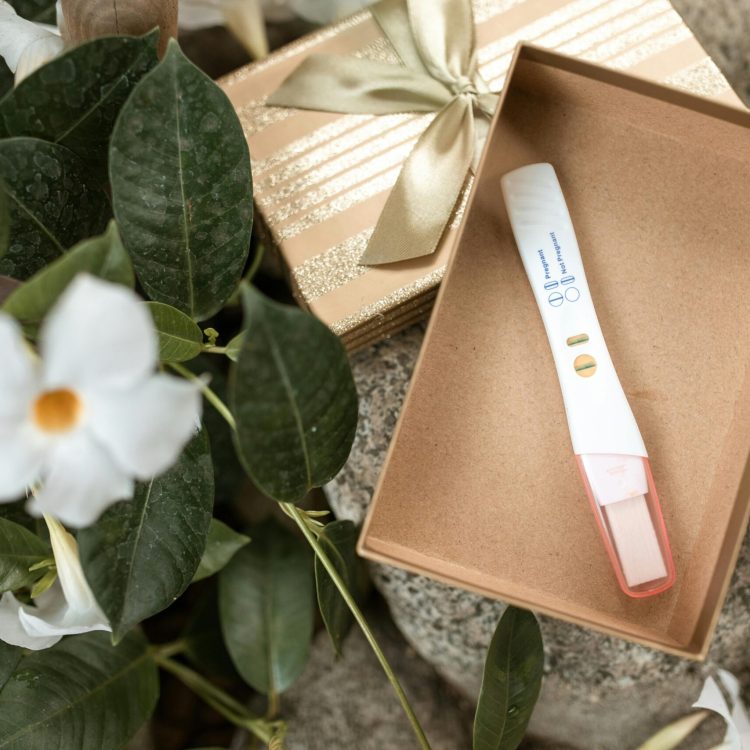
Confirming your pregnancy is one of the most exciting moments in life! Whether you saw those two pink lines on a home test or had that “just-feel-it” instinct, you’re about to embark on an incredible journey toward parenthood.
One of the first steps after confirming your pregnancy is scheduling your first baby appointment. This first prenatal visit is not only important for your health and your baby’s, but also a wonderful chance to connect with your healthcare provider and celebrate the exciting road ahead.
In this blog, we’ll walk you through what to expect at your first baby appointment, from the initial excitement of confirming your pregnancy to the important topics you’ll cover with your doctor or midwife.
When to Schedule Your First Baby Appointment
Once you’ve confirmed your pregnancy with a home test, your next step should be to contact your healthcare provider to schedule your first prenatal visit. Typically, your first baby appointment will take place around the 8th week of pregnancy, counting from the first day of your last period.
However, the timing can vary depending on your health history, the type of care you need, and your healthcare provider’s preferences. Some doctors or midwives may want to see you earlier, especially if you have preexisting conditions or if you’re experiencing any unusual symptoms.
What to Bring to Your First Appointment
It’s always a good idea to come prepared for your baby appointment, especially if you’re excited and nervous at the same time. Bring the following with you:
- List of questions – This is your chance to ask your healthcare provider anything you’re wondering about your pregnancy, symptoms, or what comes next.
- Health history – Be ready to discuss your own medical history, family medical history, and any medications you’re taking.
- Dates and information about your last period – This will help your provider calculate your due date more accurately.
- Partner or support person – If possible, bring someone along for support and to share in the excitement of the first baby appointment.
Confirming Your Pregnancy
One of the first and most exciting parts of your initial baby appointment will be to confirm your pregnancy! Your healthcare provider will perform a urine or blood test to verify that you’re indeed pregnant.
Even if you’ve already taken multiple home pregnancy tests, there’s something thrilling about having your doctor confirm the news officially. After the confirmation, your doctor will calculate your due date based on the first day of your last menstrual period (LMP).
This estimated due date will give you a sense of when you can expect to meet your baby, but remember that babies often arrive a little earlier or later than predicted.
Medical History and Lifestyle Discussion
Your healthcare provider will go over your medical history and any previous pregnancies to ensure that you and your baby get the best care possible. They’ll ask about any preexisting conditions, surgeries, or medications you’re taking.
Don’t worry—this is all routine and will help your provider tailor your care to your specific needs.
They’ll also discuss lifestyle factors that may affect your pregnancy, such as diet, exercise, alcohol consumption, smoking, and stress levels. It’s important to be open and honest during this conversation so your healthcare provider can give you the best advice for a healthy pregnancy.
You may also be asked about your emotional well-being and whether you have a strong support system.
Physical Exam and Blood Work
During your first baby appointment, your healthcare provider will likely conduct a general physical exam. This may include checking your blood pressure, weight, and height, along with a pelvic exam to assess the health of your reproductive organs.
If it’s been a while since your last pap smear or cervical cancer screening, your doctor might perform one during this visit. You’ll also have blood drawn to check for various things, including:
- Blood type and Rh factor
- Blood cell counts (to check for anemia)
- Immunity for diseases like rubella and chickenpox
- Screening for sexually transmitted infections (STIs)
- Thyroid levels, glucose levels, and liver function
This is all standard procedure and helps ensure that both you and your baby are in the best possible health.
The First Ultrasound (Maybe!)
Depending on how far along you are and the equipment available at your healthcare provider’s office, you might get to have your first ultrasound during your first baby appointment. This is one of the most memorable moments in early pregnancy—seeing your baby for the first time!
If an ultrasound is done, you might get a glimpse of your baby as a tiny, flickering heartbeat. Your provider will measure your baby and confirm how far along you are. This early ultrasound is sometimes done with a transvaginal probe, as the baby is still too small to be seen well through an abdominal ultrasound.
If your healthcare provider doesn’t perform an ultrasound at this appointment, don’t worry—you’ll have one soon enough, typically around the 10-12 week mark.
Discussing Pregnancy Symptoms
One of the most common things you’ll talk about at your first baby appointment is how you’re feeling! Many women experience a range of symptoms during early pregnancy, including:
- Morning sickness (nausea and vomiting)
- Fatigue
- Sore or tender breasts
- Food aversions or cravings
- Mood swings
Your healthcare provider will ask you about these symptoms and offer tips on how to manage them. Don’t hesitate to mention any concerns or discomforts you’re experiencing—they’re there to help! You may also receive advice on how to manage morning sickness or fatigue and what foods are safe to eat during pregnancy.
Setting Up Your Prenatal Care Schedule
During your first baby appointment, your healthcare provider will discuss the plan for your prenatal care moving forward. This includes setting up future appointments, typically every four weeks until you reach your third trimester, when visits will become more frequent. If you have any concerns about your pregnancy or health, your provider may schedule additional visits or tests.
Your doctor or midwife may also provide you with information about prenatal vitamins, pregnancy nutrition, exercise, and general pregnancy do’s and don’ts. You’ll leave the appointment feeling well-informed and ready to take on the next steps of your pregnancy journey.
Taking Time to Celebrate!
While the first baby appointment is a lot about gathering information and ensuring that you and your baby are healthy, it’s also a moment to celebrate! You’re officially on your way to parenthood, and this is a time filled with joy and anticipation. Share the excitement with your partner, family, or friends as you begin this beautiful new chapter in your life.
Your first baby appointment is an important milestone in your pregnancy, filled with helpful information, reassurance, and the thrill of confirming your baby is on the way. By preparing for the visit and knowing what to expect, you’ll feel more comfortable and confident during this exciting time.
Keep in mind that each pregnancy journey is unique, and your healthcare provider is there to guide you through every step with care and compassion.
If you’re just beginning this journey, congratulations! Embrace the joy of your first baby appointment and look forward to the many wonderful moments that lie ahead.
Are you a mother-to-be who feels like they’re not being listened to, have nowhere to turn, and have no safe place to be?
Mary’s Refuge is a sanctuary for young expectant mothers who need a hand up. Our community-building program provides a stable, safe place to live during pregnancy, access to resources for prenatal care and counseling, along with career and educational opportunities. Applicants must be clean and sober, currently pregnant, and have no debilitating medical issues. Feel free contact us online using our confidential form or call us directly at 304.350.1632. We service Martinsburg, WV and the surrounding areas.